
Human-borne vibrations (i.e.: construction, machinery, vehicular traffic, railways and subway, synchronized jumping and walking) can produce adverse effects on the built environment. Most common among those are human discomfort, facilities’ malfunction and the occurrence of either non-structural or even structural damage, especially in historical buildings and structures during construction/demolition. Moreover, the response of structures to vibrations also help describe the true behavior of civil structures, a fundamental step that validates design assumptions and provides valuable information to the decision-making process in rehabilitation and maintenance projects. VIT Ingeniería offers a wide variety of services in this area based on our expertise in experimental testing and vibration measurement.
Vibration measurement and analysis: VIT Ingeniería counts with all kinds of sensors and equipment to monitor vibrations, either short or long-term, both in the surrounding ground as well as within buildings. Our expertise in vibration measurement and analysis allows us to aid public and private partners in evaluating vibration levels, comparing them with admissible limits from national and international codes, in developing propagation and attenuation models for vibrations, and in providing solutions for the prevention or mitigation of vibration-induced damage or discomfort.
Structural/System identification: At VIT Ingeniería we count with vast experience in structural model calibration based on acceleration data and load testing. This allows us to collaborate with private and public owners indistinctively in the determination of tension in cable-stayed structures and tensioning sequences; defining the state of decay and effective prestress in concrete structures; and the development of static and dynamic models of structures, either to verify loading conditions and/or inform the design of necessary retrofits or repairs in buildings and bridges alike.
Our research activity in this area can be found in the Publications page.
- Mid-rise building – Villa Crespo
- Torre Catalinas Norte
- Wooden dome – Colonia Hinojo
- Roof in industrial building – Olavarría
- Sistema Riachuelo
- Puente Ciudad de la Paz
- Manzana de las luces
- Torre Parque de la Ciudad
- Petrochemical plant – Campana
- Centro Cultural Kirchner
Client: BA Arena S.A.
The coordinated motion of spectators at massive events (such as concerts) is a source of periodic vibrations that travel through soil, exciting building foundations. Depending on the building properties, their resonant response may lead to comfort issues. VIT Ingeniería monitored the vibrations in a mid-rise building during different musical events, looking at not only the confort levels at higher stories, but also the probability of structural and nonstructural damage, as well as identifying mitigation strategies. The experimental results were also leveraged to validate an analytical model of the problem with which it was possible to extend the conclusions to untested scenarios.

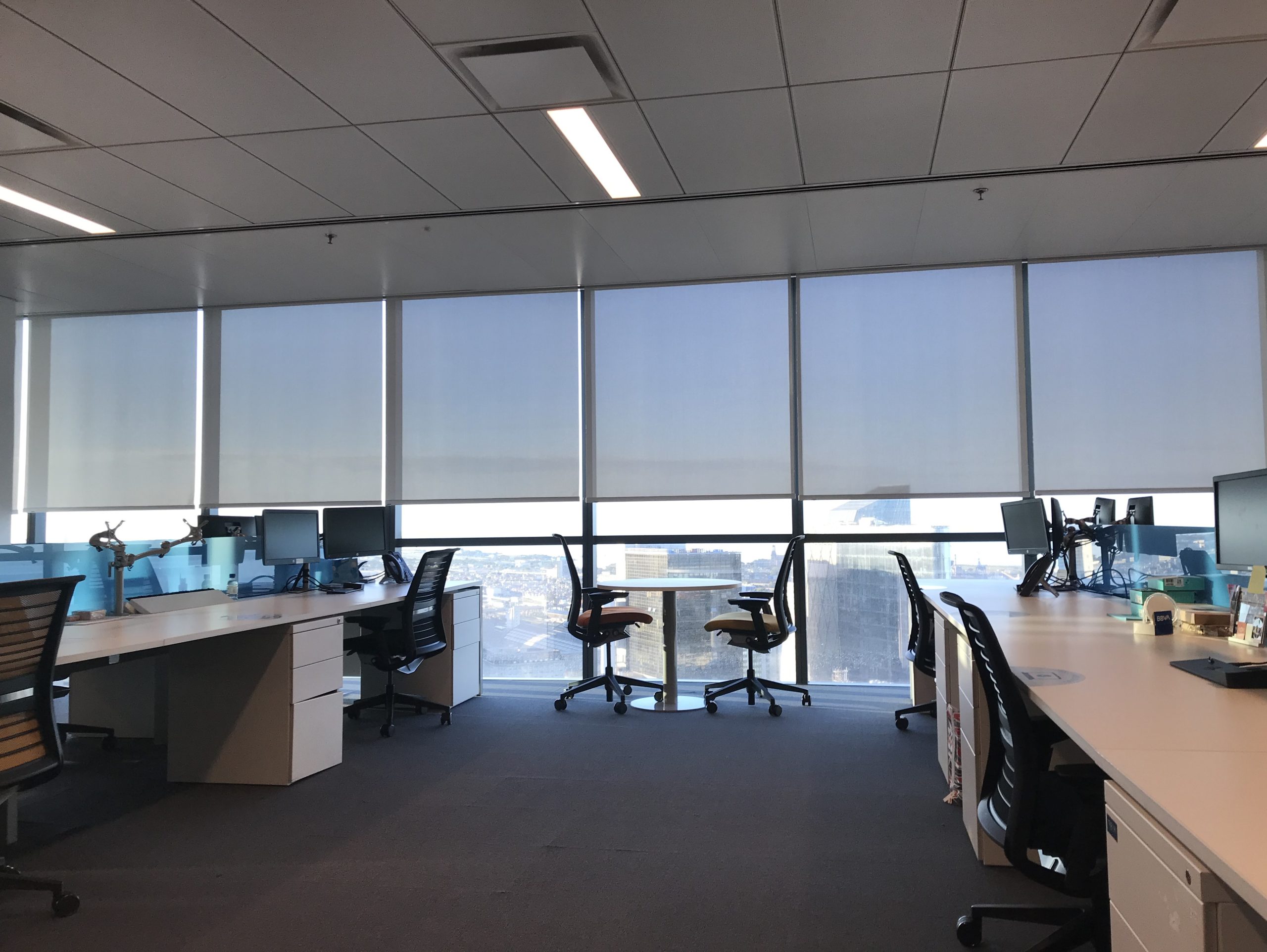
Client: Consorcio de Propietarios.
The Catalinas Norte tower is an office building located in downtown Buenos Aires. VIT Ingeniería performed a long-term vibration study in the building, evaluating not only the comfort levels (especially in the upper floors), but also identifying the different excitation sources during working hours that were potentially affecting the users.
Client: del Carril – Fazio, Ingenieros Civiles.
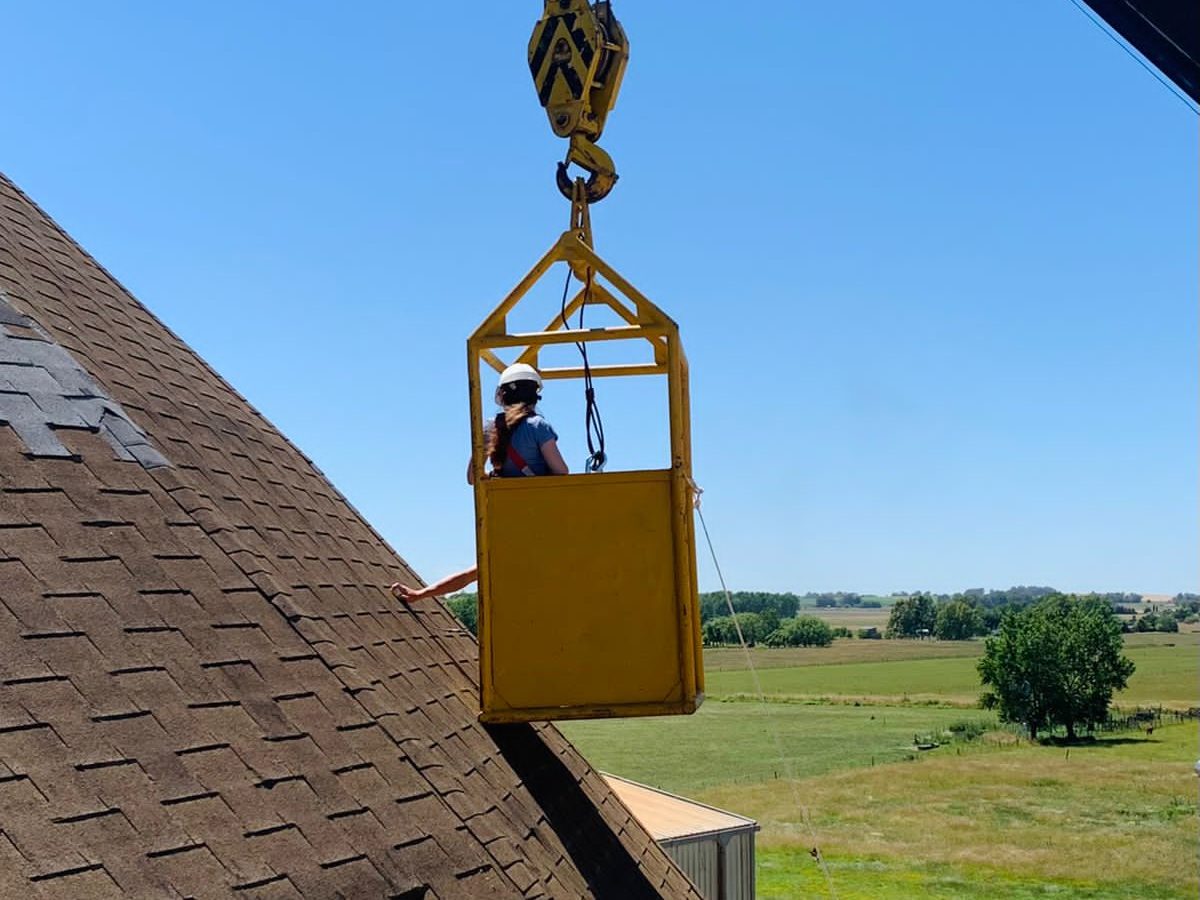
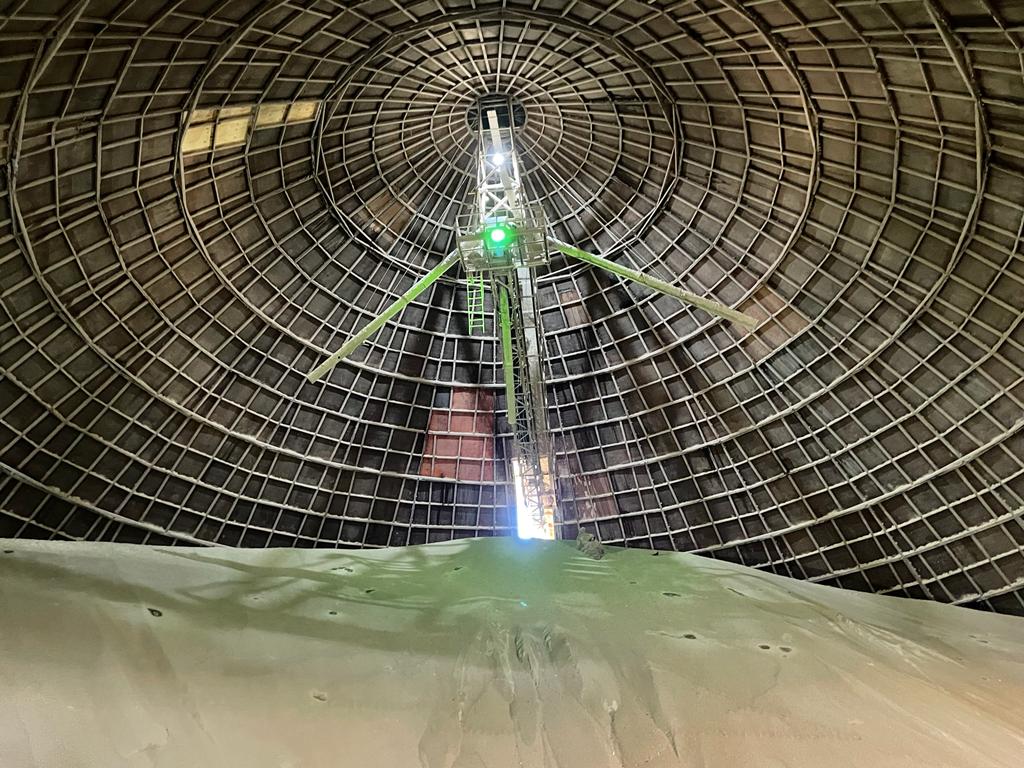
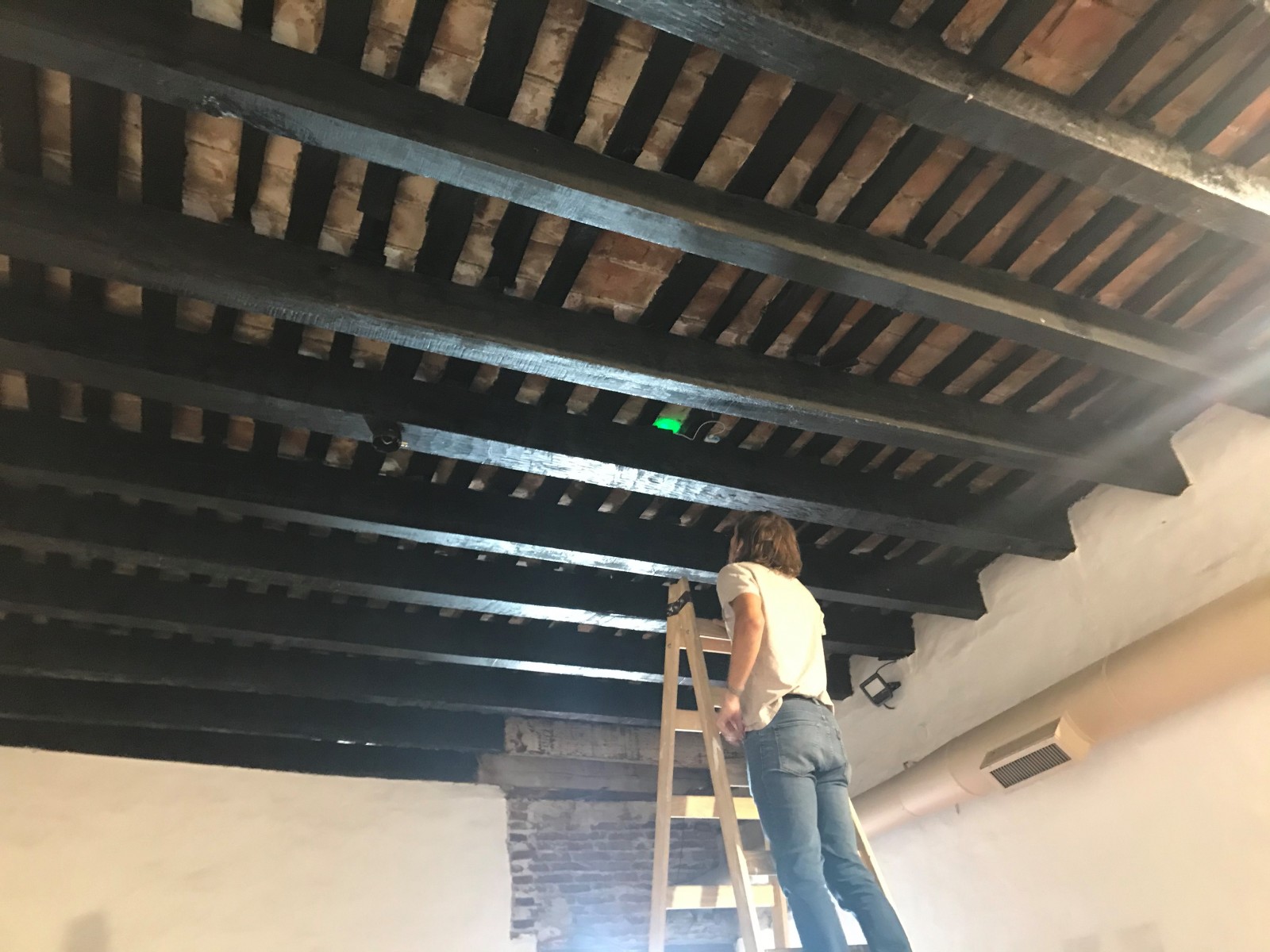
It is often difficult to understand, based on the structural drawings and visual inspection, what the true behavior of a structure is, as well as what the modeling approach should be. This was the case of the wooden dome in this project, where there were doubts of whether it behaved as a shell or a 3D frame.
VIT Ingeniería led a number of dynamic tests used to identify the true behavior of the dome, developing as well computational models that validated the conclusions obtained on site. This model was then used during the rehabilitation phase.
Client: del Carril – Fazio, Ingenieros Civiles.
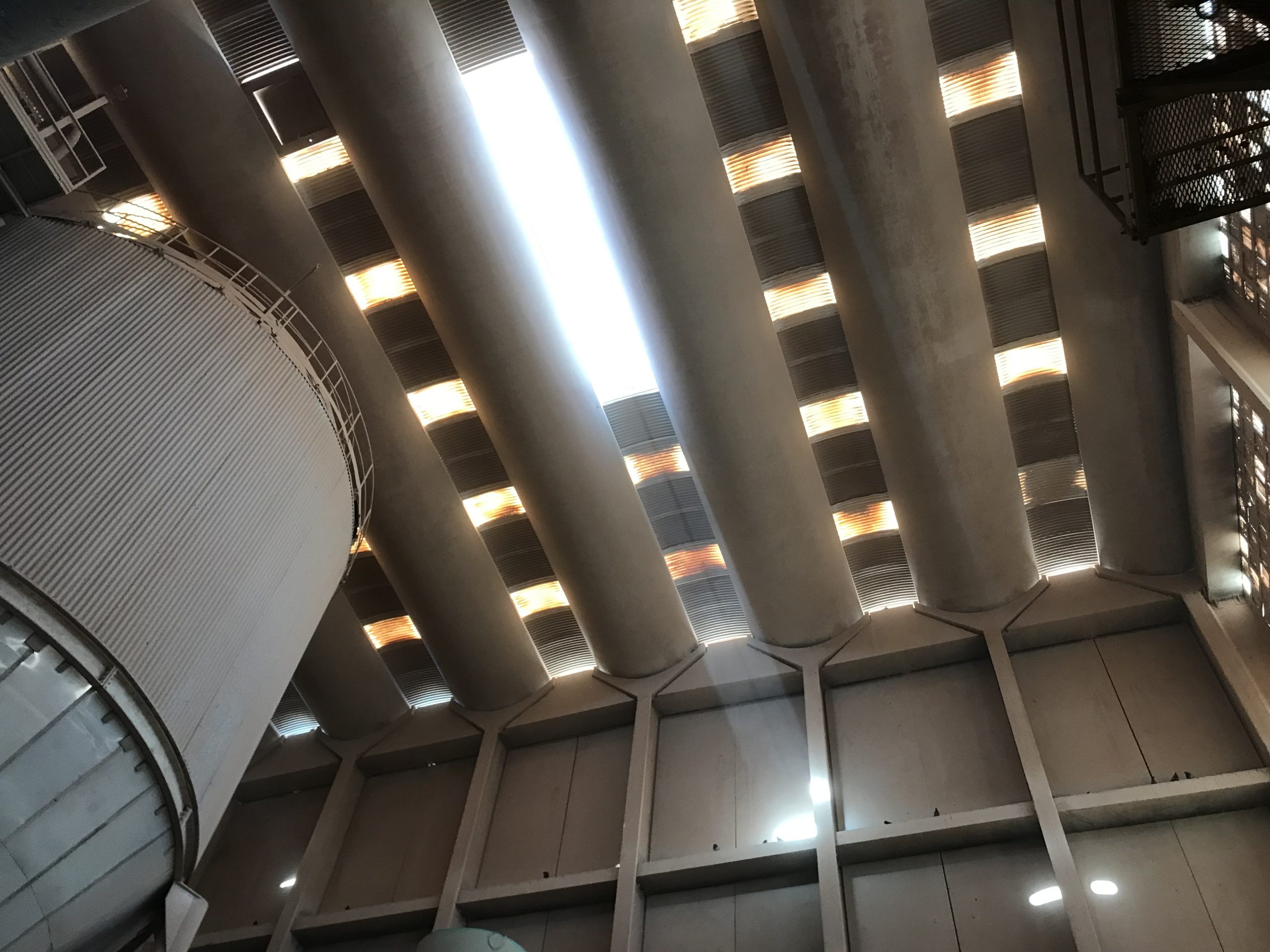
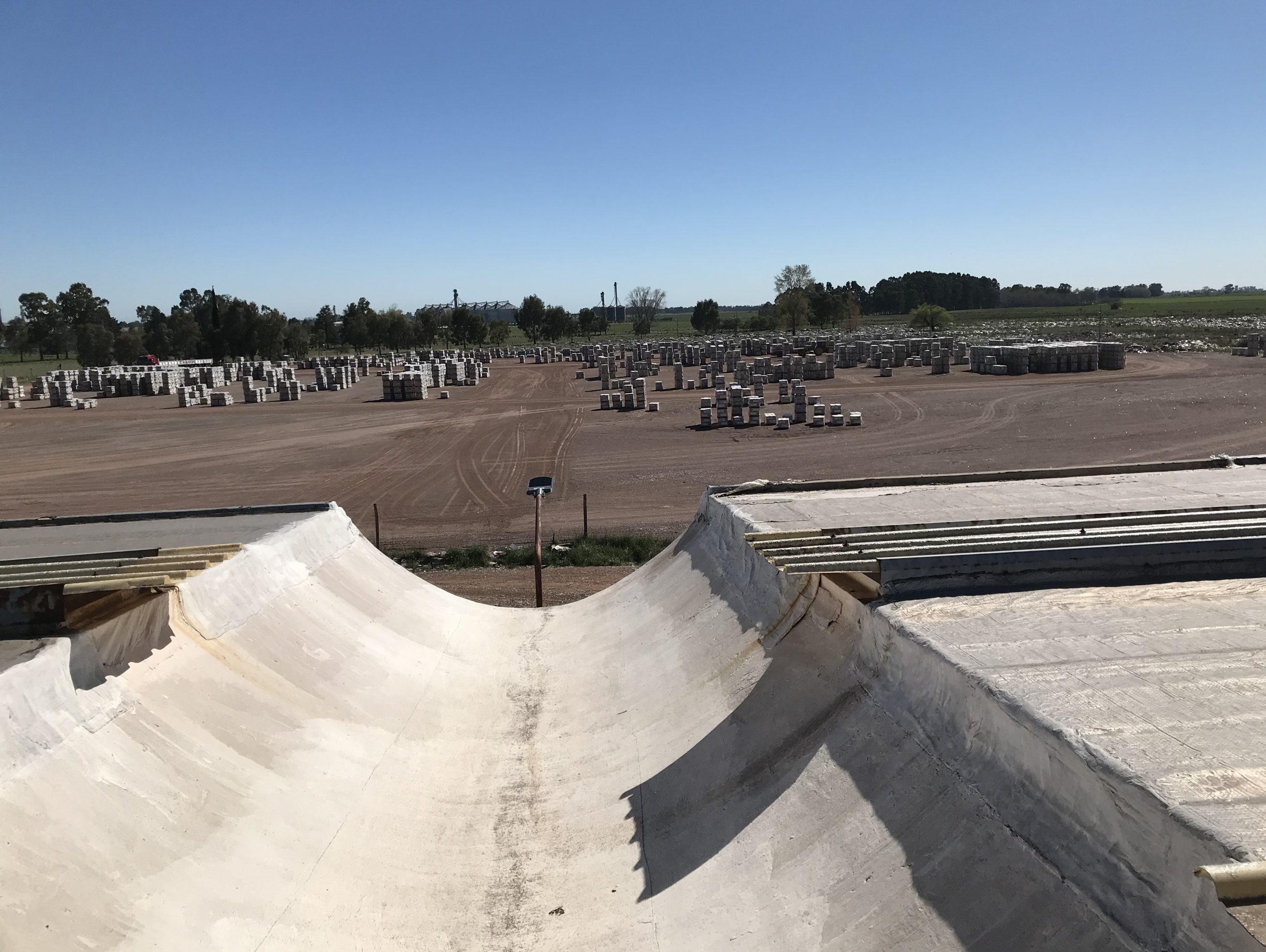
Hyperbolic paraboloids, given their particular shape, can be used with great efficiency and economy for the design of roofs. Due to their membrane behavior and ruled surface, small thickness can be achieved by prestressing the shells. However, the time-dependent prestress losses can put their structural integrity at risk.
For this project, VIT Ingeniería performed a measurement campaign to identify the effective prestress of the roofing shells based on their dynamic properties, studying as well if any of them posed a safety hazard. This process was validated using advanced finite element models of the shells, that could show the cracking potential and the change in stiffness due to prestress losses.

Client: Fisia Italimpianti S.p.A. – Acciona Agua S.A. – UT.
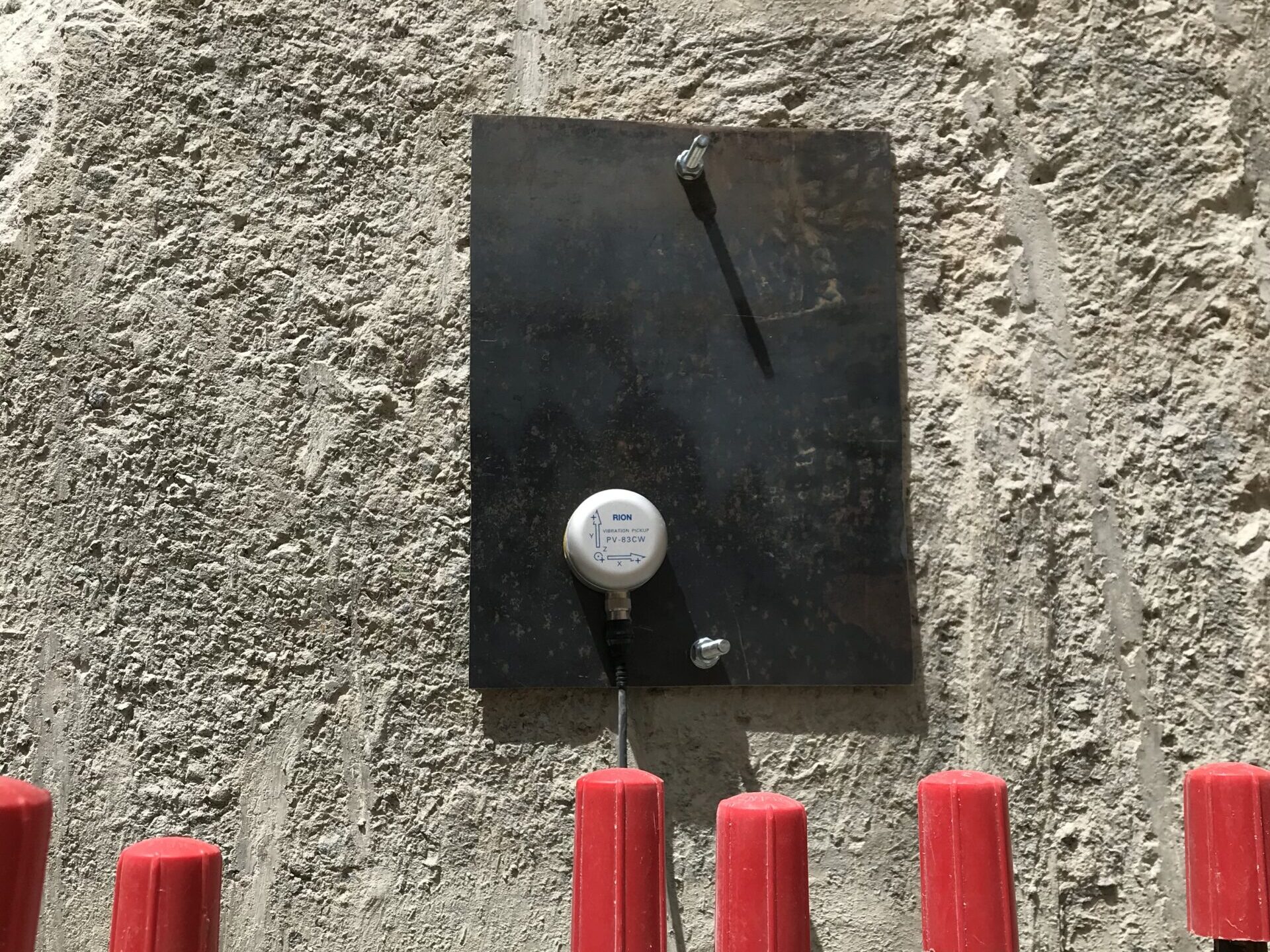
As part of the cleansing of the Matanza-Riachuelo river, south of Buenos Aires, numerous project must be carried out simultaneously, among them the pouring of the concrete for the sewage treatment plant. The concrete must satisfy strict cracking and permeability limits, so cracking at an early age due to vibrations induced by piling in nearby sites was a particular concern.
VIT Ingeniería measured vibrations in multiple locations at the site, characterizing the waves and studying their attenuation in order to provide recommendations and ensure the integrity of the young concrete without affecting the construction timeline of the other projects.

Client: Ing. Javier Fazio.
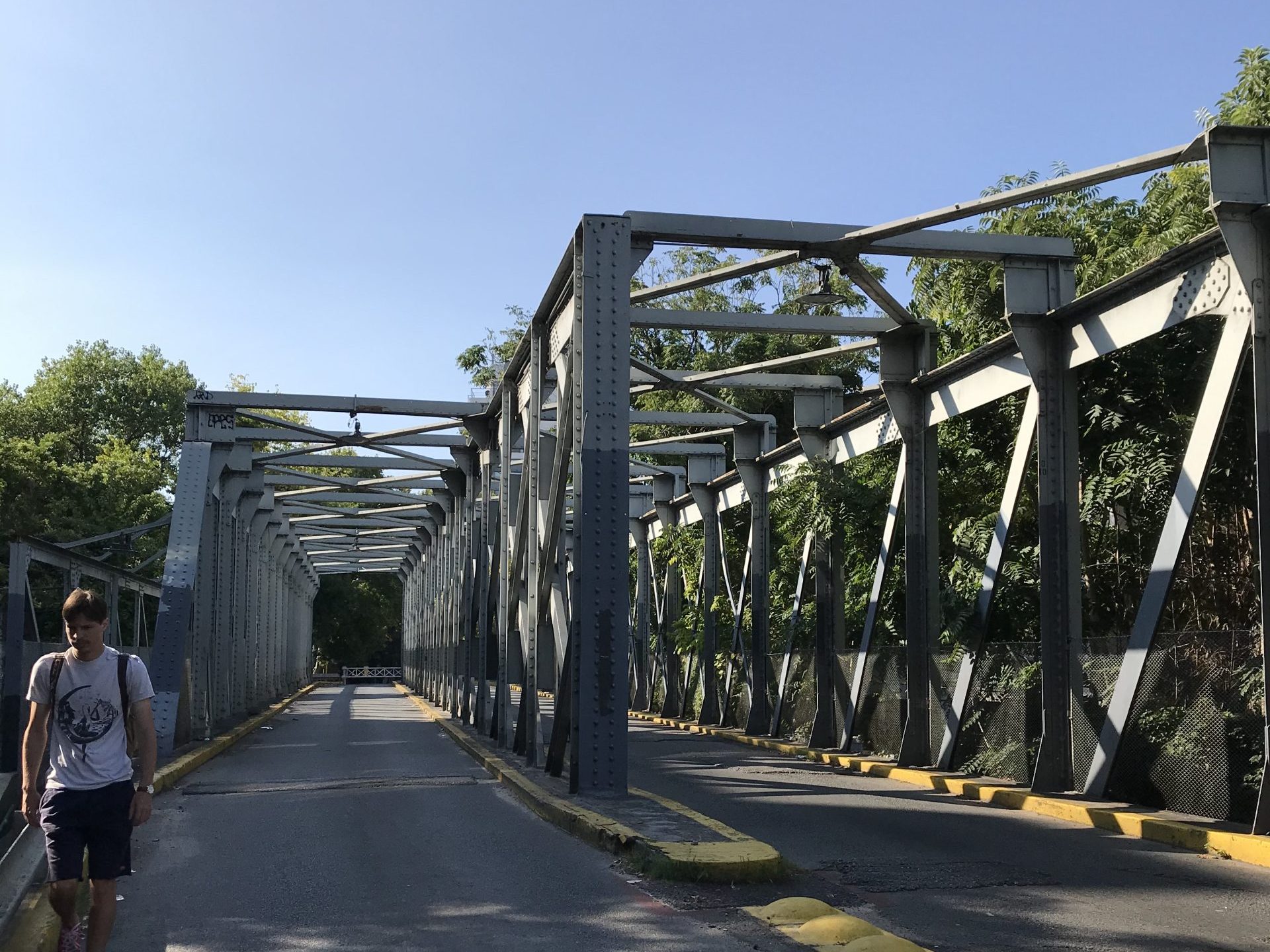
The Ciudad de la Paz bridge, located in Palermo, was built at the start of the XX century for the city streetcar. After 50 years in service, after the streetcar went out of service it was retrofitted for vehicular traffic. Original a truss bridge with an orthotropic deck, the latter was eventually replaced by a concrete slab.
During maintenance work, given the amount of deterioration found, plus the uncertainty regarding the true structural behavior of the deck and the corroded truss, VIT Ingeniería led the field work to understand the structural system. Based on experimental analysis and dynamic testing, a finite element model was calibrated for the superstructure and provided to the client.

Client: Ing. Tomás del Carril.
Manzana de las Luces, located in Buenos Aires, is a historic complex first built at the start of the XVII century. Originally a church, it went through several changes in use, serving as a school, hosting administrative offices for the Viceroyalty of the Río de la Plata and even being the first building of Universidad de Buenos Aires in 1821.
During an integral rehabilitation project, VIT Ingeniería led the long-term monitoring of the vibrations in the structure in order to determine if the vibration levels due to the increase in vehicular traffic and the subway line could affect the structural integrity.

Client: AC&A S.A.
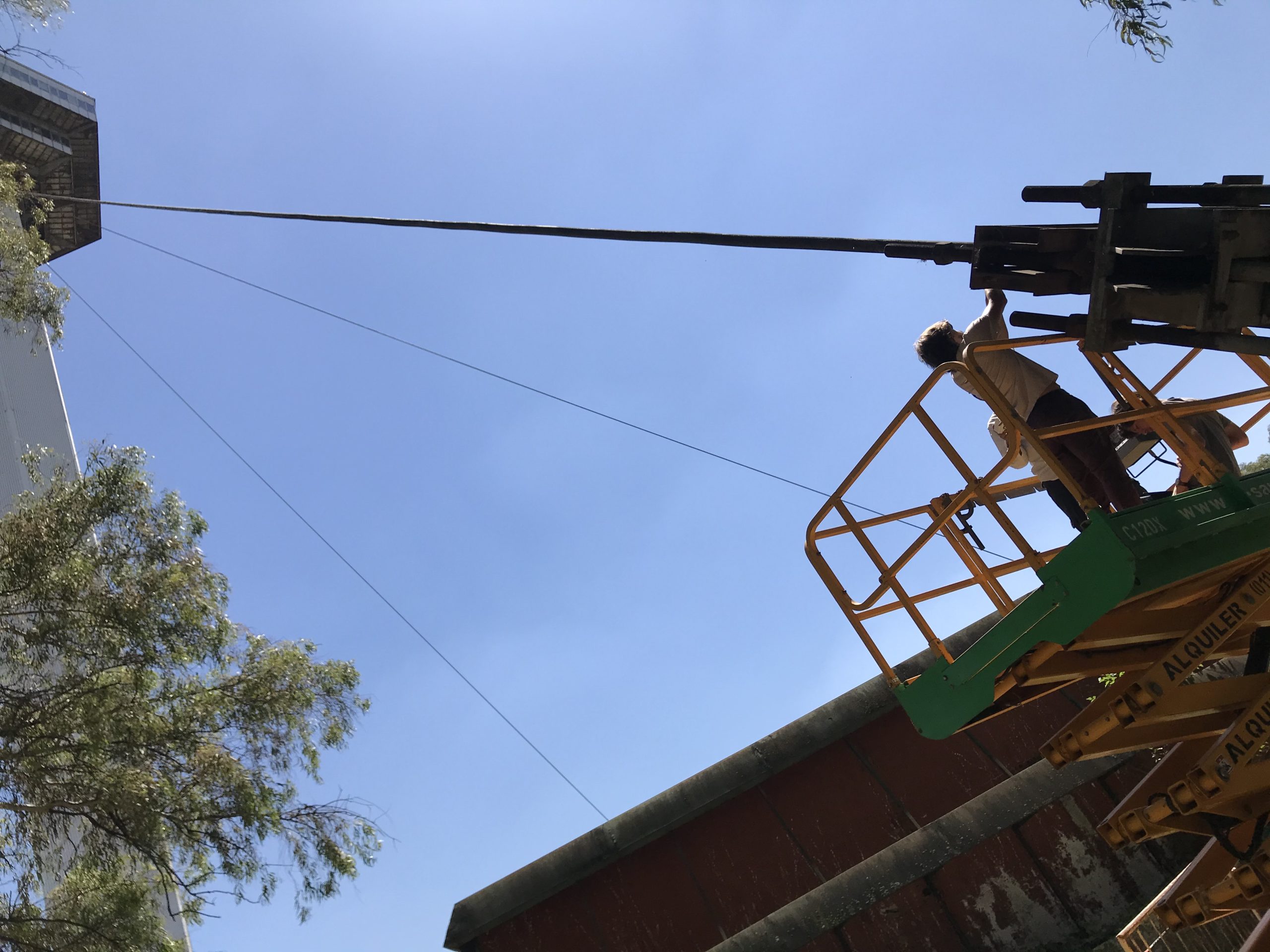
The 208m tall Interama tower was constructed in 1985 in what was then the Interama amusement park, in Villa Soldati. At the top of the tower there’s an observation level, the highest in South America, from which it’s possible to see the Buenos Aires skyline and even the coast of Uruguay.
As part of a maintenance and rehabilitation project, VIT Ingeniería determined the tension in the stabilizing cables, and also provided the dynamic properties of the tower.


Client: Contreras Hermanos S.A.
The Flare stake is an important piece of an oil refinery that allows for the elimination of residual gas. Given its height and slenderness, its construction must be done with extreme care to ensure verticality at all times. In Campana, VIT Ingeniería verified the tension in the cables that provided stability to the tower. An acceptance criteria was developed as well based on a probabilistic framework, considering the effects of temperature changes.
Then, a tensioning sequence was developed in order to reach the project requirements, considering the initial measurements and ensuring verticality throughout the process. VIT Ingeniería also provided the monitoring of the cables’ tension to verify the effectiveness of the methodology and offer immediate corrective measures on site.


Client: Subterráneos de Buenos Aires S.E.
The Kirchner Cultural Center was one of the projects carried out to celebrate Argentina’s bicentenary, and the largest cultural center in Latin America. Construction was completed in 2015, keeping the original envelope of the former Postal Office building (1928). Inside, there’s a concert hall with a capacity for 1500 people, hosting the national Symphonic Orchestra, known as the Ballena Azul (Blue Whale).
Given the inauguration of a new subway line in the vicinity, VIT Ingeniería led a study of the potential vibrations the concert hall could experience. Several measurements were carried out along the subway, developing a model for the excitation source as well as attenuation laws that aided in the evaluation of the comfort for musicians and spectators based on the expected vibration levels.